How To Choose A Reusable Water Bottle For Travel
A practical step-by-step guide to how to choose a reusable water bottle for travel, including preparation, instructions, common issues, tips, and next steps.
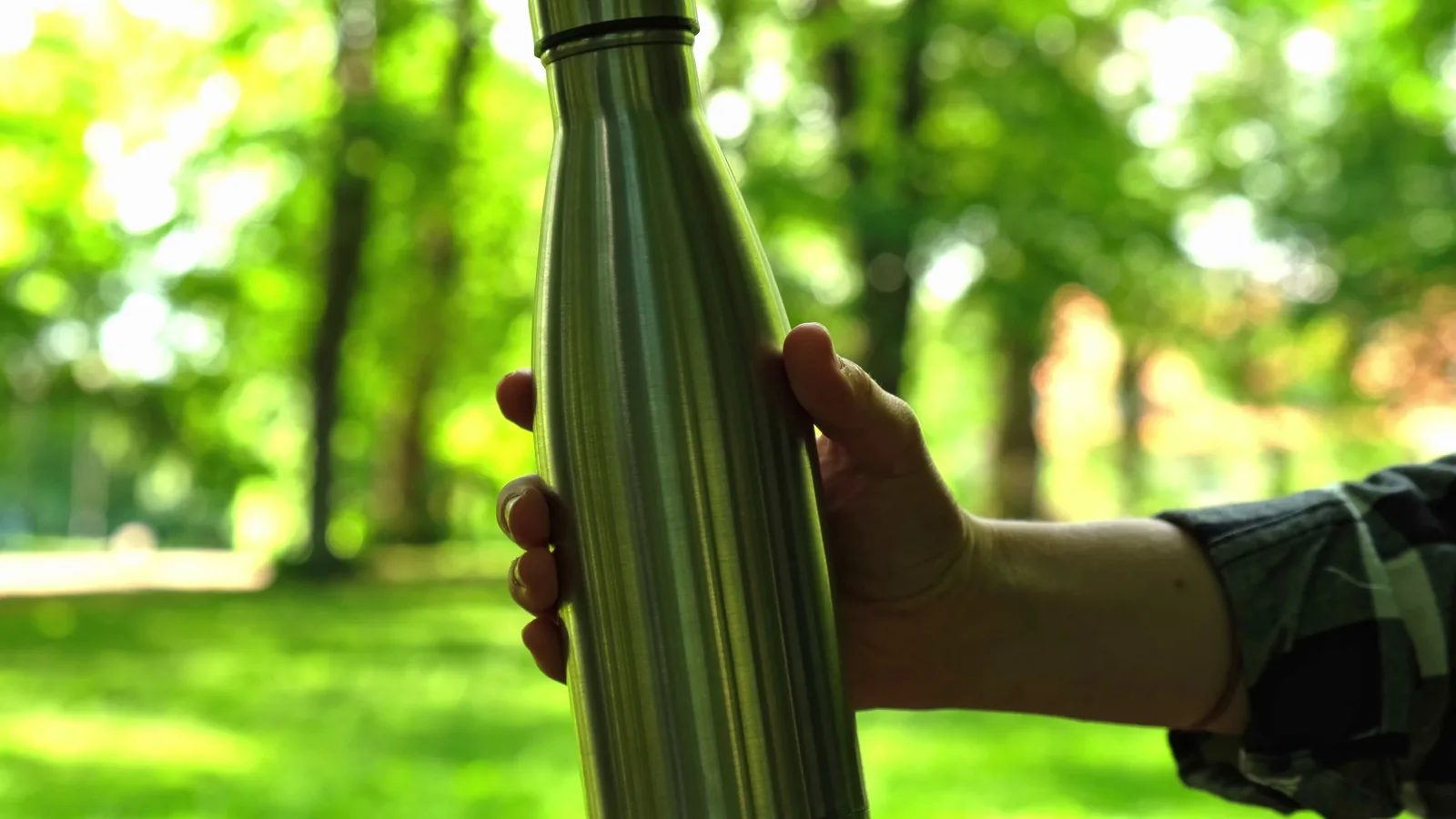
How To Choose A Reusable Water Bottle For Travel
Choosing the right reusable water bottle for travel comes down to matching your trip style, carrying capacity, and daily hydration needs. This guide walks you through the key factors like insulation, size, weight, and cleaning so you can pick a bottle you will actually use every day without adding bulk to your bag.
Fast Answer
- Best all-rounder: Medium 600–750 ml insulated steel bottle with a leak-proof lid
- Top caution: Check airline liquid rules and bottle width against cup holders before buying
Before You Start
- Decide your main travel style: city hopping, hiking, airport transits, or road trips
- Measure your day bag or backpack to know the maximum bottle height and width
- Note your daily water intake target so you can size the bottle correctly
- Check if your destination has safe tap water or if you will need a filter bottle
Step-by-Step Instructions
Match Bottle Size to Your Daily Hydration Target
Start with your daily water goal. The average adult needs around 2 litres (2000 ml) per day, but your needs increase in hot weather or when you are walking all day. A bottle that holds 500–750 ml forces you to refill several times, which is actually good because it keeps you moving and hydrated.
If you prefer fewer refills or you are heading somewhere without easy water access, choose a 1-litre bottle. Anything larger than 1.5 litres becomes heavy when full and awkward to carry on city days. A full 1-litre bottle weighs about 1 kg, and a 1.5-litre bottle weighs about 1.5 kg, so consider that weight on your shoulder or in your daypack.
Decide Between Insulated and Non-Insulated Bottles
Insulated bottles use a double-wall vacuum to keep drinks cold for 12–24 hours and hot for 6–12 hours. These are brilliant for summer city days, long train rides, or when you want ice-cold water after a museum visit. They are heavier and more expensive than basic bottles, but they deliver a better drinking experience.
Non-insulated bottles are lighter, cheaper, and often hold more water for the same size. They work fine if you do not mind room-temperature water or if you are only walking short distances between refills. Some travellers prefer the lighter weight for hiking or long walking days. If you mostly drink cold water and want it to stay cold, an insulated bottle is worth the extra weight.
Check the Material Against Your Travel Needs
Stainless steel is the most durable material and does not hold flavours or odours. It is the best choice for hot or cold drinks, and it survives drops on pavements and airport floors. The downside is weight, so look for 18/8 food-grade steel, which is safe and rust-resistant.
Plastic bottles (especially Tritan or polypropylene) are the lightest option and usually the cheapest. They are fine for water only, but they can absorb flavours from juice or sports drinks. Avoid single-use plastic bottles entirely; they are not built for repeated travel use. Glass bottles are taste-neutral and easy to clean but they are fragile and heavy, making them a poor choice for carry-on luggage.
Examine the Lid and Drinking Mechanism
The lid is the most common point of failure on any travel bottle. Decide between a flip-top spout, a screw cap, or a straw lid. Flip-top spouts are convenient for one-handed drinking while walking, but they can leak if the latch breaks. Screw caps are the most reliable and create a proper seal, but they take two hands to open. Straw lids are easy to sip from but harder to clean and more likely to leak in a bag.
Check that the lid has a silicone gasket or rubber seal inside. This is what actually stops leaks. Press on it to see if it is firm and not loose. Also, check if the lid is dishwasher-safe on the top rack; that makes your life easier on return from travel.
Measure Bottle Width Against Cup Holders and Bag Pockets
Nothing is more annoying than buying a bottle that does not fit in your daypack side pocket or your car cup holder. Standard cup holders are about 7 cm (2.75 inches) in diameter. A bottle with a base wider than 8 cm will not fit in most holders. Measure the base of any bottle you consider, not just the lid width.
For backpack side pockets, check the pocket depth and width. Tall bottles (above 25 cm) may stick out and catch on things. A bottle around 20–23 cm tall with a 7 cm base fits most standard daypacks and cup holders. If you carry a small crossbody bag instead of a backpack, you may need a shorter, squatter bottle that fits horizontally.
Weigh the Full Bottle at Point of Purchase
You will carry this bottle for hours, so the full weight matters. A stainless steel insulated bottle that is 600 ml weighs about 300–400 g empty and 900–1000 g full. A plastic bottle that is 600 ml weighs about 100–150 g, so the full weight is around 750 g.
If you are already carrying a camera, guidebook, and layers, an extra kilogram in your bag adds up fast. Try the bottle in your hand in the shop. If it feels heavy before you add water, it will feel much heavier after an hour of walking. Choose lighter materials for long walking days and heavier insulated bottles for train rides or picnics.
Test for Leak-Proof Security and Locking Mechanisms
Leaks ruin electronics, documents, and entire travel days. Before you commit, fill the bottle with water, screw or snap the lid shut, and turn it upside down for 30 seconds. Shake it briefly to simulate bag movement. Check for any moisture at the lid seam or the base of the spout. If you see even a tiny drop, that bottle will leak in your bag.
Some bottles have a locking mechanism that prevents accidental opening. This is useful for bags, but it adds a moving part that can break. Test the lock several times. If the mechanism feels flimsy or sticks, choose a different bottle. A simple screw cap with a good gasket is often the most reliable option.
Consider Cleaning and Drying Practicalities on the Road
A travel bottle that is hard to clean becomes a hygiene problem. Look for a bottle with a smooth interior, no hidden crevices, and a lid that comes apart easily. Bottles with wide mouths (about 5 cm or more) let you reach inside with a brush. Narrow mouths are harder to scrub.
You will likely rinse your bottle at hotel sinks or public fountains. A bottle with removable parts is easier to clean and dry. Check that the manufacturer sells replacement gaskets or lids; this means you can repair it instead of replacing the whole bottle if a part wears out. Avoid bottles with complex straw systems unless you are prepared to carry a cleaning brush with you.
Verify Yes-Country Tap Water Safety and Filter Needs
If you are travelling to a country with safe tap water, any bottle works. But many destinations require filtered water. A regular bottle is useless if your hotel tap water is not drinkable. Check the local tap water safety for your destination before choosing your bottle.
If you need filtration, look for a bottle with a built-in filter or a separate filter attachment. These bottles are heavier and more expensive, but they allow you to refill from any public source. Some filter bottles remove bacteria and protozoa, while others only improve taste. Match the filter type to the water quality risk in your destination.
Settle on a Budget and Check Replacement Part Availability
Quality travel bottles range from £10 to £40. You do not need to spend top dollar for a reliable bottle, but ultra-cheap bottles often have flimsy lids and thin material that dents easily. Set a budget and look for the best material and lid quality within it.
Check whether replacement lids, gaskets, and filters are available to buy separately. This is a smarter long-term purchase because you can refresh a bottle instead of replacing it. Good brands sell spares for years. If the bottle is a one-off design with no spare parts, you may be forced to replace the whole unit after wear.
Quick Reference
| Situation | Use this | Why |
|---|---|---|
| City walking all day | 600 ml plastic or steel bottle | Light enough to carry, fits cup holders, encourages refills |
| Long train or flight | 750 ml insulated steel bottle | Keeps drinks cold for hours, no condensation |
| Hiking or remote travel | 1–1.5 litre non-insulated bottle | Maximum water capacity with minimum weight |
| Unsafe tap water | Filter bottle with certified filter | Allows refill from any source without illness |
| Budget travel | Tritan plastic bottle under £15 | Reliable, light, and easily replaceable |
| Business travel | Insulated steel bottle with screw cap | Professional look, reliable seal, fits briefcase pockets |
Common Problems When You Choose a Reusable Water Bottle for Travel
Condensation Soaks Your Bag
Non-insulated bottles with cold water create condensation that makes a wet ring on your backpack or desk. This happens because cold air meets warmer humid air outside the bottle. The fix is to use an insulated bottle, which prevents the outside surface from cooling to dew point.
The Bottle Never Fits in Your Cup Holder
Many people buy a bottle that looks great in the shop, then discover it is too wide for their car or buggy. This is almost always a base-width problem, not height. Measure the base diameter before buying, and carry a tape measure in your bag when you shop.
You Stop Using It Because It Is Heavy
An insulated steel bottle with 1 litre of water can weigh over 1.4 kg. After a few days, many travellers leave it in the hotel room. To avoid this, choose a lighter plastic bottle for walking tours and reserve the heavier steel bottle for train rides where you can set it down.
The Lid Leaks Inside Your Bag
Leaking is usually caused by a worn or misaligned silicone gasket. Check the gasket before each trip, and replace it at the first sign of cracking. Also, ensure the lid is screwed on straight; a cross-threaded seal can leak even with a new gasket.
You Cannot Clean It Properly on the Road
Bottles with complicated straws, valves, and multiple parts are difficult to clean in a hotel sink. They develop a musty smell after a few uses. The easiest solution is to choose a bottle with a wide mouth and a simple screw cap. If you already own a complex bottle, pack a small cleaning brush.
Advanced Tips for Choosing a Reusable Water Bottle for Travel
Insulation Does More Than Keep Cold Drinks Cold
An insulated bottle will also keep hot drinks warm for hours. This means you can buy a hot coffee or tea in the morning and still have it warm by lunch. In winter, this is a welcome luxury. In summer, it also stops condensation from forming on the outside of the bottle, so your bag stays dry.
Consider the Bottle Mouth Size for Ice Cubes
If you like ice in your water, check that the bottle opening is wide enough to fit standard ice cubes (about 2.5 cm). Narrow-mouth bottles are difficult to fill with ice unless you crush the cubes. A wide-mouth bottle is easier to keep cold on a hot day.
Tritan Plastic Is a Hidden Gem for Budget Travel
Tritan is a BPA-free plastic that is shatterproof and does not absorb odours like other plastics. It is lighter than steel and cheaper than glass. Many budget bottles use it, and it is a perfectly good option for city travel where you can refill frequently. Just avoid putting hot liquids in it; Tritan is not meant for hot drinks.
Check the Bottle's Diameter Against Your Existing Gear
Before you buy, think beyond cup holders. Check that the bottle fits in your backpack bottle pocket, your car door pocket, and your bike mount. If you use a hydration pack, check that the bottle fits in the side sleeve. A bottle that does not fit anywhere ends up in your hand all day, which becomes tiring.
How To Choose A Reusable Water Bottle For Travel FAQ
Common Issues
If the result is not working as expected, return to the previous step, check the material or setting involved, and make one adjustment at a time for how to choose a reusable water bottle for travel.
Is a stainless steel bottle better than a plastic bottle for travel?
Stainless steel lasts longer, keeps drinks cold or hot, and does not hold flavours. Plastic bottles are lighter and cheaper, but they may scratch and absorb tastes. For most city travel, a quality plastic bottle is adequate, but a steel bottle is a smarter long-term investment.
How many millilitres should my travel water bottle hold?
Start with 600 ml for city walking. This is enough for a few hours and light enough to carry. If you are hiking or in a hot destination, choose 750 ml to 1 litre. You can always refill at cafés, public fountains, or your hotel, so you do not need a huge bottle.
Can I take a reusable bottle through airport security?
Yes, but it must be empty when you go through security. Filled bottles are not allowed past the checkpoint unless they are under 100 ml. Most airports have water fountains or bottle refill stations after security, so you can fill it once you are through.
How often should I clean my travel water bottle?
Wash your bottle daily if you use it regularly. At minimum, rinse it with warm soapy water each evening and let it dry completely. The lid and mouthpiece need extra attention because they trap moisture. A weekly deep clean with vinegar or a bottle-cleaning tablet helps prevent odours.
What is the best lid type to avoid leaks?
A screw cap with a silicone gasket is the most leak-proof design. Flip-top and straw lids are convenient, but they have more moving parts that can fail. For reliable leak prevention in a backpack or suitcase, choose a screw cap that you can tighten firmly.
Final Checklist for Choosing a Reusable Water Bottle for Travel
- Matched bottle size to my daily water target and trip length
- Decided if I need insulation for cold or hot drinks
- Chosen a safe material: stainless steel, Tritan, or glass
- Tested the lid and leak-proof seal before purchase
- Measured the bottle width against my cup holders and bag pockets
- Weighed the bottle with water to confirm comfortable carrying
- Verified tap water safety at my destination and filter needs
- Set a budget and confirmed spare parts are available for the bottle