How To Choose A Portable Lunch Box
A practical step-by-step guide to how to choose a portable lunch box, including preparation, instructions, common issues, tips, and next steps.
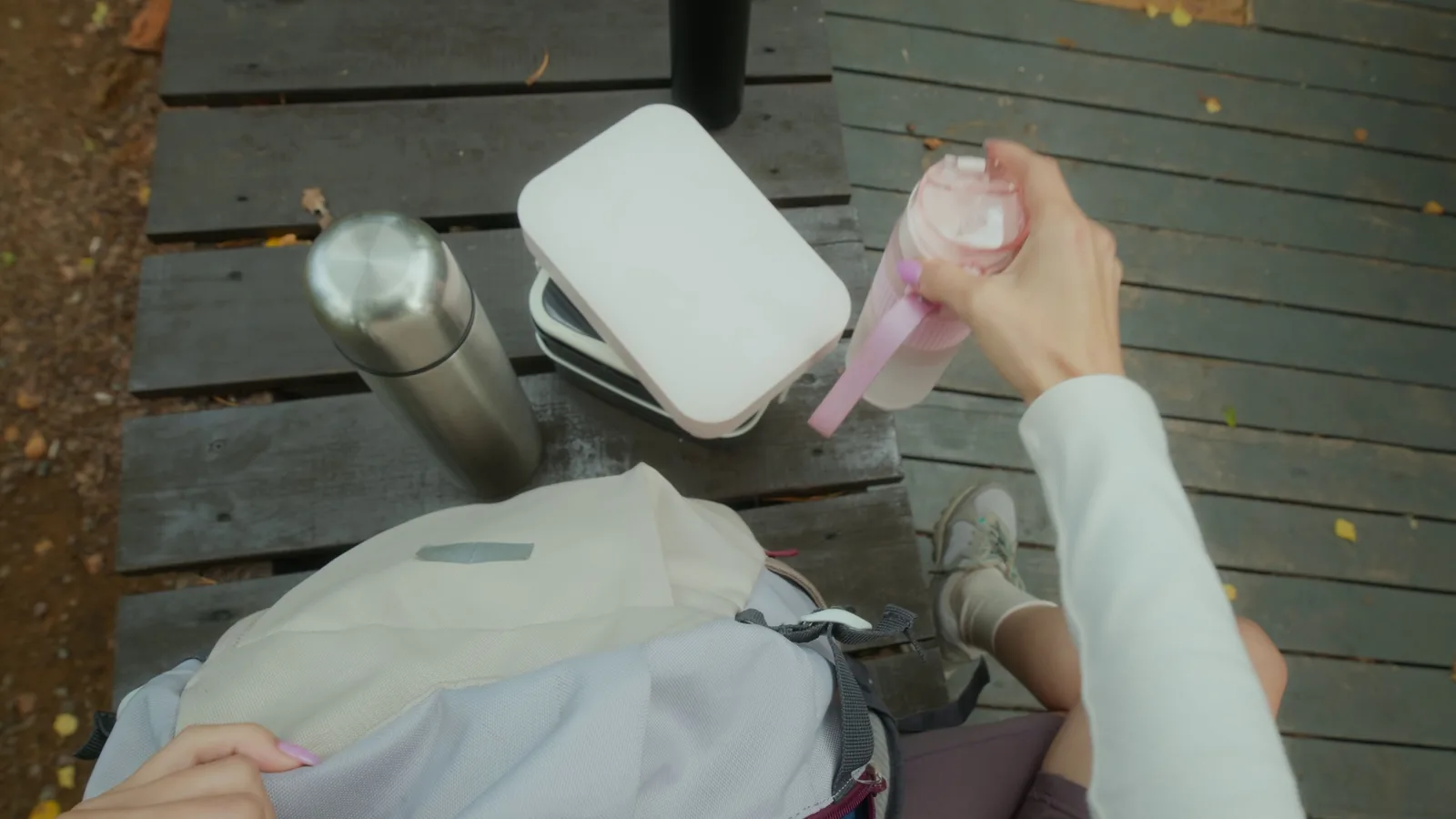
How To Choose A Portable Lunch Box
Choosing a portable lunch box comes down to matching your daily routine, your food habits, and the space you actually have. This guide walks you through the key checks for size, insulation, leak-proofing, and cleaning so you buy once and use it for years. The main trap is buying a trendy model that looks great online but fails the leak test under real city commuting conditions.
Fast Answer
- Focus on your commute first: Measure your bag space, then match the lunch box dimensions to it, not the other way around.
- Prioritise a leak-proof seal plus insulation: If you carry wet foods like soups or yoghurt, a silicone gasket and tested lid lock are non-negotiable.
Before You Start
- A tape measure or ruler to note the internal height and width of your work bag or backpack.
- A rough list of what you usually pack for lunch, such as a sandwich, a salad, leftovers, or a soup.
- Basic knowledge of whether you will microwave your lunch at work or eat it cold.
- A quick check of your workplace kitchen facilities, such as microwave, fridge, or sink access.
Step-by-Step Instructions
Define your lunch format and portion size
Think about what you actually eat five days a week. Do you pack a single large salad, a sandwich with fruit, or a hot leftover portion from dinner? The answer sets your capacity range.
For a typical light lunch, a total capacity between 750 ml and 1 litre works well. For hearty meals or two courses, look at 1.2 to 1.5 litres. Anything above that is usually for heavy eaters or people who skip breakfast.
Measure your bag dimensions and available space
Open your work bag or backpack and measure the inside width, height, and depth of the main compartment. Also check side pockets, because many laptop backpacks have a water bottle pocket that fits a tall thermos perfectly.
Write down the internal dimensions in centimetres. Then compare those numbers to the lunch box’s external dimensions listed on the product page. Do not rely on photos. The width is the most common failure point, especially if the lunch box has handles or clips that stick out.
Decide on insulation needs based on your commute
If you travel for more than 30 minutes each way, or if your workplace fridge is frequently full, insulated capacity matters. A basic lunch box with thin lining keeps food cool for about 1–2 hours. A well-insulated model keeps food at a safe temperature for 4 to 6 hours.
Consider whether you will always have access to a fridge or microwave. For summer commutes on public transport, insulation is a safety feature, not a luxury. For short office commutes with a fridge close by, a simpler box is perfectly fine.
Check the lid seal and locking mechanism
Open the lunch box and inspect the lid. A good leak-proof design has a silicone or rubber gasket that sits tightly in a groove around the rim. Push down on the lid and feel for resistance. The gasket should create a gentle suction seal.
For hinged lids, check the clip tension. Clips should be firm but not so stiff that they are hard to open. Test the seal by filling the box with water, closing it, and turning it upside down over a sink for 30 seconds. This is the only reliable leak test.
Choose the right material for your cleaning routine
Think about how you will clean the lunch box each day. Stainless steel is durable and does not absorb odours, but it is not microwave-safe. Plastic is lightweight and microwave-friendly, but it can stain from tomato sauces and absorb curry smells.
Consider your dishwasher situation. Some plastic lids and gaskets are not dishwasher-safe at high temperatures. Read the care label before buying. If you hand-wash, a wide opening matters; narrow containers are a nightmare to scrub. If you use a dishwasher, confirm that the entire unit, including the lid, is marked dishwasher-safe.
Think about compartments vs. open space
Multi-compartment boxes keep foods dry and visually separate. This is great for bento-style lunches where you want a grain, a protein, and a vegetable without them touching. The downside is reduced flexibility. You cannot fit a large sandwich easily.
Open-space containers work better for leftovers, salads, and irregular shapes. Some boxes come with a removable divider that gives you both options. If you are unsure, choose an open container with a small separate dip pot. That covers sandwiches plus hummus, or salad plus dressing.
Verify weight and portability for your commute
Weigh the empty lunch box at the shop or check the listed weight online. Heavy stainless-steel models can add 400 to 700 grams before food. Add your lunch weight of about 400–500 grams, and that is 1 kg on your shoulder each way.
If you already carry a laptop, a charger, and a water bottle, an extra 1 kg makes a difference on a 25-minute walk to the station. Lighter plastic containers are fine if you treat them with care. Prioritise total carry weight over premium materials.
Set your budget based on likely replacement
Lunch boxes sit in a specific price range for a reason. Cheap models under a tenner tend to leak or break clips within a few months. Mid-range options between £15 and £30 usually balance durability, insulation, and reasonable seals. Above £40, you are paying for premium materials or insulation performance.
Work out how long you expect the box to last. If you know you will replace it in a year, buy a mid-range model. If you want a decade of use, invest in a well-reviewed stainless steel container with a good warranty.
Quick Reference
| Situation | Use this | Why |
|---|---|---|
| Soup or curry lunch | Thermos-style wide-mouth jar | Keeps heat in and prevents spills on transport |
| Salad with dressing | Open container with side dip pot | Keeps leaves crisp and dressing separate |
| Grain bowl or leftovers | Clip-lock box, 800–1000 ml | Handles rice, pasta, and roasted veg without crushing |
| Long commute, no fridge | Insulated bag with an ice pack slot | Keeps food at a safe temperature for 4+ hours |
| Microwave at work | Plastic with a vented lid | Allows steaming and avoids splatters in the staff kitchen |
Common Problems When You Choose a Portable Lunch Box
The lunch box does not fit in your bag
You measured the wrong compartment. Remeasure the exact pocket you intend to use, including the height from the bottom of the bag to the zip. Some lunch boxes look slim in photos but have bulky handles that add 3–4 cm to the height.
If the box is 1 cm too tall, check if the zip will stretch over the lid or if you can lay the box flat instead of upright.
Food leaks despite the clips being closed
This is almost always a lid-seal issue. If the gasket is not seated correctly, or if the clips are not fully latched, liquid finds the gap. Before you assume the lunch box is faulty, check the gasket for trapped food or crumbs. Clean it thoroughly and retest.
If the leak persists, the gasket may be warped from heat. Return it or order a replacement gasket if the brand sells spare parts.
Your sandwich is squashed by the time you arrive
The box has too much vertical space with no divider system. Use a multi-compartment box or add a small piece of folded kitchen paper on top to cushion the contents. Better yet, choose a lunch box whose interior height matches the height of a sandwich stack.
The insulation does not keep food cold
Insulation works best when the container is full. A nearly empty box with a cold item has too much air inside. Add an ice pack to fill extra space, or choose a smaller container that fits your portion more tightly. Pre-chill the lunch box in the fridge the night before for better results.
Advanced Tips for Choosing a Portable Lunch Box
Once you know the basics, look at how the lunch box interacts with your daily routine beyond simple transport.
Think about your desk setup. If you eat at your desk, a lunch box with a flat, stable lid doubles as a small prep tray. Some stainless steel containers work well for this. If you walk to a park to eat, a lighter container is easier to carry in one hand.
Check if the interior has rounded corners. Square corners trap food and are harder to clean. Rounded corners make wiping out the container quick and efficient.
If you frequently eat on the move, consider a lunch box with a separate utensil slot or a loop to hold a fork. This prevents you from forgetting cutlery, which is a common reason for buying single-use plastic forks.
How To Choose A Portable Lunch Box FAQ
Common Issues
If the result is not working as expected, return to the previous step, check the material or setting involved, and make one adjustment at a time for how to choose a portable lunch box.
What is the best size for a portable lunch box?
The best size is between 700 ml and 1 litre for most adults. This holds a substantial salad, a large sandwich with sides, or a generous portion of leftovers. For soup-only lunches, a 500–600 ml thermos is enough.
Is plastic or stainless steel better for a lunch box?
Stainless steel is more durable and does not hold smells, but it is heavy and not microwave-safe. Plastic is lighter and microwave-friendly, but it can stain and scratch over time. Your choice depends on whether you prefer reheating convenience or long-term durability.
How long does an insulated lunch box keep food safe?
On average, a well-insulated lunch box keeps cold food at a safe temperature of 4°C or below for about 4 to 6 hours when packed with a pre-chilled ice pack. Without an ice pack, the safe window drops to around 2 hours. Hot food stays warm for roughly 3 to 4 hours.
Can you put a portable lunch box in the microwave?
Only if the container is explicitly marked microwave-safe. Most stainless steel containers are not. Check the lid too; many lids are not microwave-safe even if the base is. Remove the lid and vent steam before reheating.
How do you stop a lunch box from smelling?
Wash it with warm soapy water immediately after use. For stubborn smells, wipe the interior with a paste of bicarbonate of soda and water, leave it for 15 minutes, then rinse. Do not put the lid in a dishwasher on a hot cycle if it has a rubber gasket, as heat warps the seal and leads to leaks.
Are multi-compartment lunch boxes worth it?
They are useful if you like to keep wet and dry foods separate, such as fruit and dip or salad and dressing. They are less useful for bulky leftovers. A removable divider gives you flexibility for both use cases.
Final Checklist for Choosing a Portable Lunch Box
- Measured your bag’s internal dimensions and compared to the lunch box’s external dimensions.
- Defined your typical lunch portion size to set the right capacity between 500 ml and 1.5 litres.
- Checked insulation performance against your commute time and fridge access at work.
- Tested the lid seal for leaks with a water test or picked a model with a solid silicone gasket.
- Confirmed the cleaning method matches your routine, especially for lids and gaskets.
- Checked microwave compatibility if you intend to reheat your lunch at work.
- Weighed the empty container and factored it into your total bag weight.
- Set a budget that matches how long you expect the lunch box to last.
- Bought measuring tape and kept a note of your bag’s dimensions for future purchases.