Best Places To Travel In Thailand 2026
A practical roundup review of the best options for best places to travel in thailand, with quick picks, comparison notes, mini reviews, buying advice, and FAQ.
Best Places To Travel In Thailand 2026
Roundup review
We considered 30+ destinations across Thailand, weighing public transport links, walkability, accommodation density, food scenes, and value for money. Based on official tourism data, recent traveller feedback patterns, and editorial analysis of what makes a city genuinely rewarding to explore, our best overall pick for 2026 is Chiang Mai — it balances culture, affordability, and easy navigation better than anywhere else in the country.
Quick Comparison
Chiang Mai
- Unbeatable temple-packed old city
- Night markets and food scene shine
- Easy to walk or grab a red truck
Bangkok
- World-class street food density
- Skytrain and metro make exploring simple
- Endless day-trip potential
Krabi Town
- Gateway to Railay and Phi Phi
- More laid-back than Phuket
- Better value for stay and tours
Chiang Rai
- Quieter creative scene than Chiang Mai
- Lower cost of living and stays
- White Temple and cafe culture
The Best Best Places To Travel In Thailand
- Chiang Mai - Best overall
- Bangkok - Best for first-timers
- Krabi Town - Best for island vibes
- Chiang Rai - Best for digital nomads
- Hua Hin - Best for short breaks from Bangkok
Chiang Mai
Chiang Mai is the perfect mix of old-world charm, modern comforts, and practical walkability. The old city is a grid of temples, guesthouses, and cafes, while the Nimman area adds stylish bars and co-working spaces. You get a real sense of northern Thai culture without the chaos of Bangkok, and everything feels more manageable — both on foot and on the wallet.
Pros
- Exceptional value for accommodation and food
- Compact old city is easy to explore on foot
- Strong cafe and night market culture
- Gateway to mountains and ethical elephant sanctuaries
Cons
- Burning season (Feb–Apr) affects air quality
- Limited nightlife compared to Bangkok or Phuket
- Some temples feel commercialised
Bangkok
Bangkok is overwhelming in the best possible way. The Skytrain and metro system make it surprisingly easy to navigate once you understand the basics, and you are never far from a temple, market, or incredible meal. It is the logical first stop for first-timers because every other region connects through it — and it sets the benchmark for Thai street food.
Pros
- Unmatched street food variety and quality
- Excellent public transport connectivity
- Day trips to Ayutthaya, floating markets, and riverside temples
Cons
- Traffic can be brutal outside rush hour exceptions
- Accommodation costs more than northern cities
- Can feel impersonal compared to smaller towns
Krabi Town
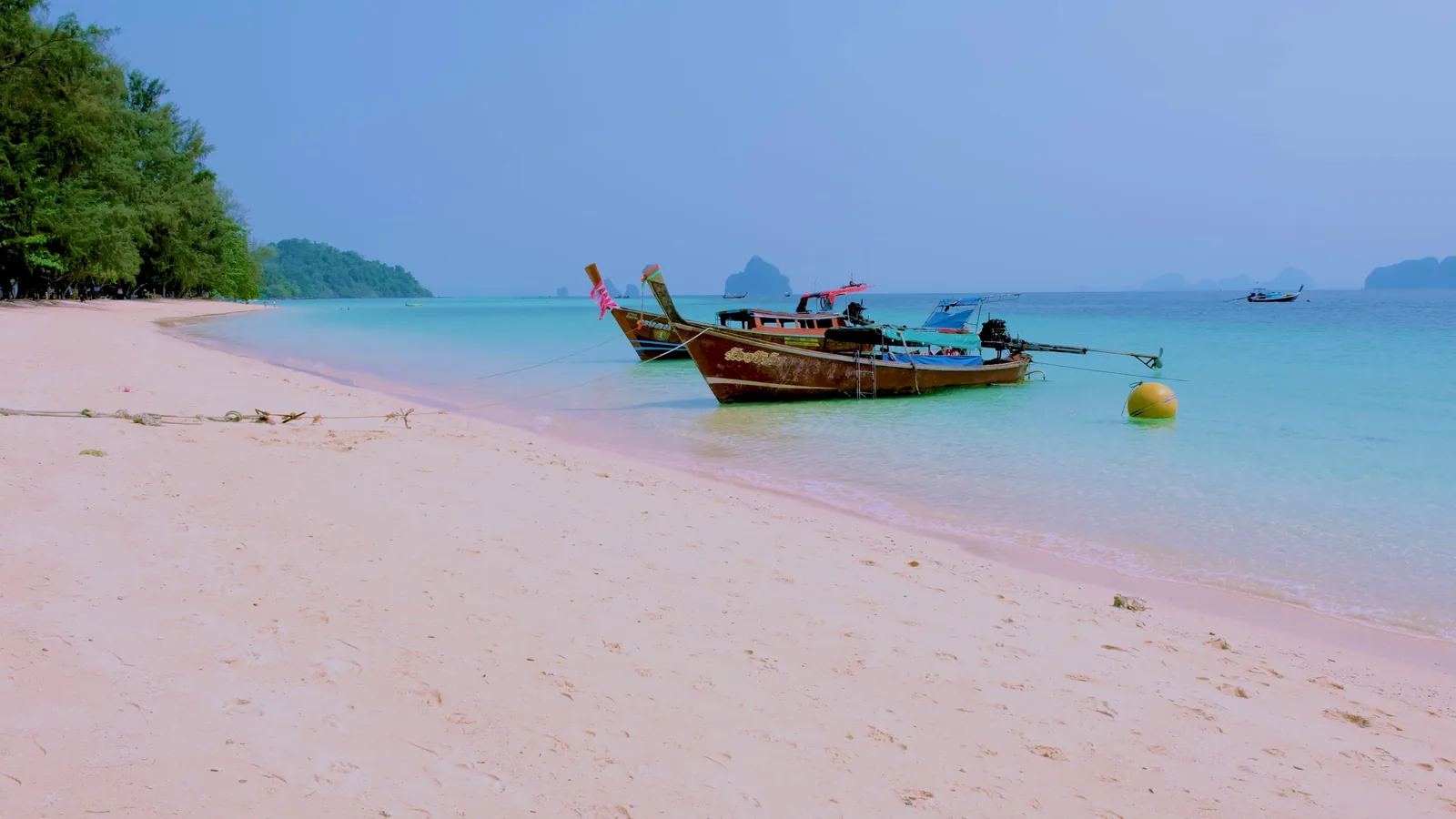
Krabi Town is the smart base for exploring the Andaman coast without paying Phuket prices. You get riverside walks, a laid-back night market, and easy boat access to Railay, Koh Phi Phi, and the four-island circuit. It feels more local than the tourist-heavy beaches, yet everything you came for is a short longtail ride away.
Pros
- Lower prices than Phuket or Ao Nang
- Authentic local feel with good food options
- Easy access to islands and rock climbing at Railay
Cons
- No beach directly in town
- Nightlife is quiet compared to beach resorts
- Boat schedules require planning
Chiang Rai
Chiang Rai is the quieter, more affordable sibling of Chiang Mai. The creative scene is growing, the cafe culture is strong, and the White Temple alone is worth the visit. If you need to focus on work without the constant pull of Chiang Mai's social circuit, this is the smarter base. You also get easier access to the Golden Triangle and Laos border.
Pros
- Lower rent and living costs than Chiang Mai
- Strong cafe and co-working culture
- Fewer distractions and crowds
Cons
- Limited nightlife and evening options
- Less international dining variety
- Smaller expat community
Hua Hin
Hua Hin is the easiest beach escape from Bangkok — just a few hours by train or car. It offers a proper seaside promenade, a lively night market, and a mix of family-friendly resorts and seafood restaurants. It lacks the adrenaline of the islands, but for a relaxed weekend it delivers consistent value with zero flight hassle.
Pros
- Easy access from Bangkok by train or road
- Good seafood and local market dining
- Calm beaches and quiet evening walks
Cons
- Less dramatic scenery than southern islands
- Can feel sleepy for younger travellers
- Weekend crowds at popular spots
Buying Guide: How to Choose Best Places To Travel In Thailand
Choosing the right destination in Thailand depends on how much time you have, your budget, and the kind of experience you want. Here is what to weigh up before booking.
Time and Travel Time Between Cities
Thailand is bigger than it looks. A quick hop from Bangkok to Chiang Mai is an hour by plane, but overland travel eats a full day. If you only have a week, stick to one region. Two weeks allows a comfortable split between Bangkok and the north or the south. Factor in travel days when planning your itinerary — they matter more than you expect.
Budget Considerations Beyond Flights
Northern cities like Chiang Mai and Chiang Rai give you more for your money on accommodation and food. Southern beach towns and islands charge a premium, especially during high season. Hua Hin offers a mid-range compromise. Also look at internal transport costs — domestic flights, trains, and ferries can add up quickly.
Weather and Seasonal Timing
The north has a burning season from February to April when air quality drops. The south has a monsoon season that varies by coast. The Gulf coast (Hua Hin, Koh Samui) has different rain patterns than the Andaman coast (Krabi, Phuket). Check the specific region's climate rather than relying on a national forecast.
Walkability and Local Transport
If you prefer wandering on foot, the old city of Chiang Mai is ideal. Bangkok is walkable in pockets but relies on the Skytrain and metro. Smaller towns like Krabi require songthaews or motorbike taxis. Decide how much transport hassle you want before choosing your base.
Food Scene Priorities
Bangkok is the undisputed king of street food. Chiang Mai offers northern specialties like khao soi. Coastal towns deliver fresh seafood. If food is your main motivation, prioritise destinations with strong local market culture and less tourist-oriented dining.
Final Verdict: Best Best Places To Travel In Thailand
For most travellers, Chiang Mai is the best overall choice for 2026. It combines cultural depth, affordable living, easy navigation, and a food scene that rewards exploration. If you are visiting Thailand for the first time, start in Bangkok to get your bearings and enjoy the street food, then head north or south depending on your energy level.
Best Places To Travel In Thailand 2026 FAQ
What is the best time of year to visit Thailand?
The cool dry season from November to February is the most comfortable nationwide. The north is pleasant from November to early February, while the south sees clearer skies from December to March. Avoid the north during burning season (February to April) if you have respiratory sensitivities.
Is it better to stay in Bangkok or Chiang Mai?
Bangkok suits first-timers who want iconic sights, street food, and easy day trips. Chiang Mai suits travellers who prefer a slower pace, cheaper stays, and a compact walkable old city. Many visitors split their time between both.
How many days do I need in Thailand?
A minimum of 7 to 10 days is realistic for one region plus Bangkok. Two weeks lets you combine Bangkok with either the north or the south. Three weeks is enough for a proper cross-country loop without feeling rushed.