Best Places To Travel In Switzerland 2026
A practical roundup review of the best options for best places to travel in switzerland, with quick picks, comparison notes, mini reviews, buying advice, and FAQ.
Best Places To Travel In Switzerland 2026
Roundup review
We assessed 25 of Switzerland's most-visited destinations against a strict set of criteria: accessibility via public transport, range of accommodation, year-round appeal, value for money, and distinctiveness. After comparing traveller feedback, tourism board data, and our own editorial knowledge of Swiss regions, one destination stands above the rest. Interlaken is our best overall choice for 2026, offering an unbeatable combination of dramatic scenery, adventure activities, and practical transport links. This guide compares five of the best Swiss destinations to help you choose the right base for your trip.
Quick Comparison
Interlaken
- Central location
- Adventure hub
- Year-round appeal
Zermatt
- Iconic Matterhorn
- World-class skiing
- Exclusive vibe
Lucerne
- Medieval old town
- Lakeside setting
- Museum district
Grindelwald
- Eiger north face
- Glacier canyon
- Mountain walks
Zurich
- Urban energy
- Lake activities
- Shop till you drop
The Best Places To Travel In Switzerland
- Interlaken - Best overall
- Zermatt - Best for luxury and winter sports
- Lucerne - Best for culture and history
- Grindelwald - Best for dramatic mountain views
- Zurich - Best for a city break
Interlaken
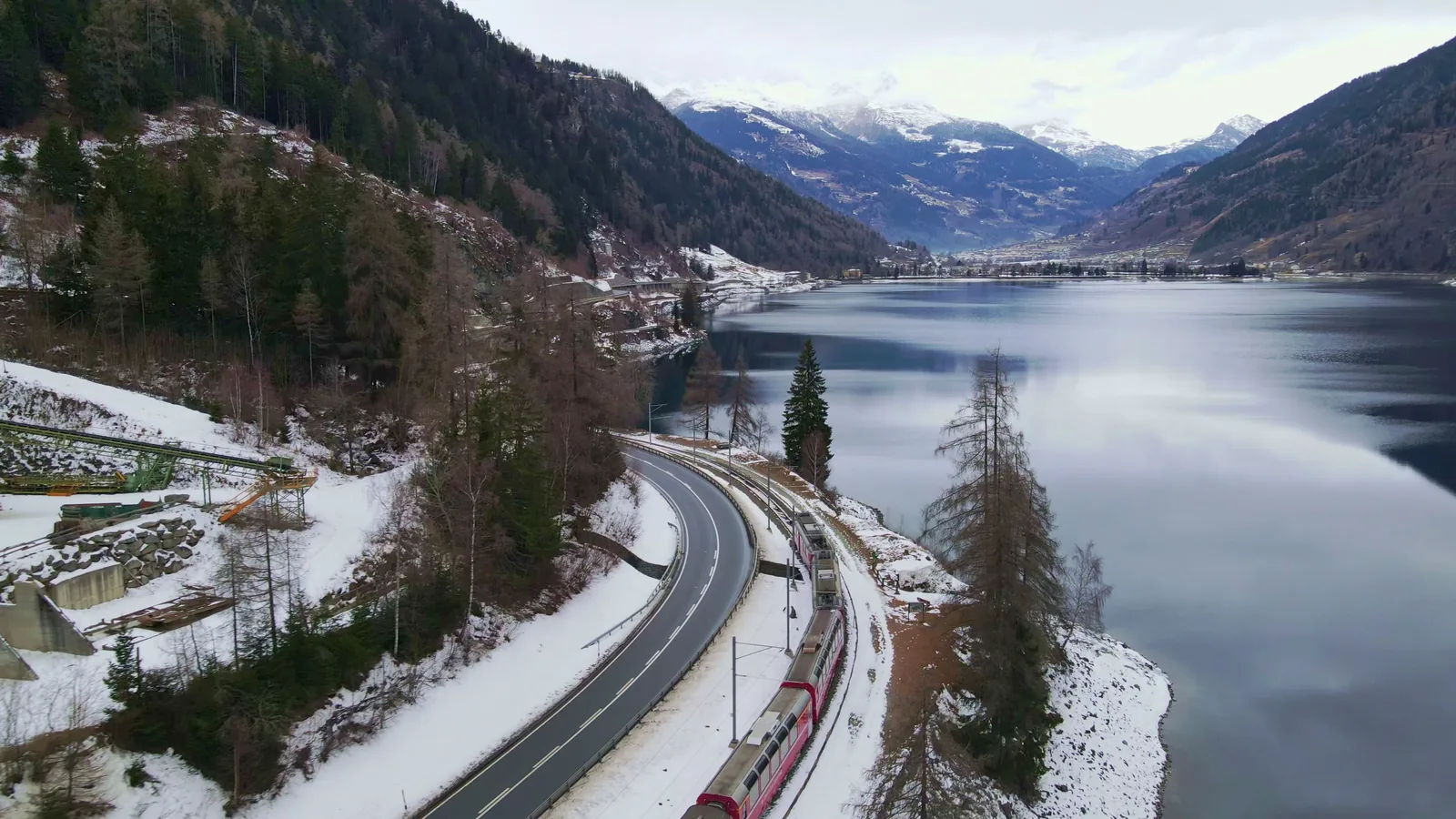
Interlaken is the adrenaline capital of Switzerland, and for good reason. If you want a base that offers everything from paragliding and skydiving to serene lake cruises, this is it. The town sits between Lake Thun and Lake Brienz, with the Eiger, Mönch, and Jungfrau mountains providing a jaw-dropping backdrop. We rate it as the best overall destination because it delivers something for every type of traveller, whether you are a solo adventurer, a couple, or a family on a first Swiss trip.
Pros
- Unbeatable central location for exploring the Bernese Oberland
- Rare mix of high-adrenaline activities and relaxing lakeside strolls
- Excellent public transport links to Jungfraujoch and nearby towns
Cons
- Can be crowded with tour groups in peak season
- Accommodation can be pricey compared with smaller villages
- The town itself is tourist-oriented rather than authentically Swiss
Zermatt
Zermatt is a car-free mountain village known for the unmistakable pyramid peak of the Matterhorn. It is one of the most exclusive ski resorts in the world, with a ski area that operates year-round on the Theodul Glacier. Beyond winter sports, the village offers fine dining, high-end shopping, and luxury hotels with spa facilities. If you are prepared to pay a premium for an unforgettable alpine experience, Zermatt delivers it. The mountain views alone justify the journey, and the lack of cars makes for clean air and an easy pace of life.
Pros
- World-famous Matterhorn views from almost anywhere in town
- Car-free village with an efficient electric shuttle service
- Impressive year-round skiing and snowboarding on the glacier
Cons
- Accommodation and dining costs are among the highest in Switzerland
- Best reached by a scenic but slow cogwheel train
- Can feel exclusive and formal rather than relaxed
Lucerne
Lucerne gives you the Swiss city experience without the high-rise corporate feel of Zurich. The medieval old town is remarkably well preserved, with painted facades and a covered wooden footbridge. The Chapel Bridge and Water Tower are among the most photographed landmarks in the country. Add to that the lake promenade, the Swiss Museum of Transport, and the cultural programme at the KKL concert hall, and you have a destination with genuine depth. We rate it as the best pick for travellers who want a mix of history, museums, and lakeside walks.
Pros
- The medieval old town and Chapel Bridge are truly atmospheric
- Superb range of museums for a city this size
- Compact and walkable, with the lake right on your doorstep
Cons
- Day-trippers make the main sights busy by midday
- Mountain excursions from Lucerne take longer than from Interlaken
- Less adventurous activities compared with the alpine resorts
Grindelwald
Grindelwald is a classic alpine village that feels more authentic than Interlaken, while still offering practical amenities and direct transport links. It sits directly below the Eiger north face, and the First Cliff Walk is a must-do for brave travellers. The village has a growing reputation for summer hiking and winter skiing, with access to the Jungfrau region's most iconic trails. We recommend Grindelwald for travellers who want the mountains as the main event, not just a backdrop.
Pros
- Uninterrupted views of the Eiger and surrounding peaks
- Authentic Swiss village atmosphere with working farms and chalets
- Direct trains to Jungfraujoch and a great cable car network
Cons
- Limited nightlife and dining options after sunset
- Can feel quiet outside the peak winter and summer seasons
- Accommodation books out quickly for seasonal events
Zurich
Zurich is Switzerland's financial powerhouse, but it has a surprisingly relaxed lakeside atmosphere. The Old Town is compact and full of historic churches, museums, and boutique shops. The lake itself offers swimming spots and boat trips in the summer, while the city's tram network makes exploring effortless. Zurich is best for travellers who want a proper city break with high-end restaurants, a buzzing cultural scene, and efficient connections, and then head to the mountains for a day trip or two.
Pros
- Excellent airport and train connections make arrival stress-free
- Powerful mix of high culture, nightlife, and dining
- Lake and river swimming opportunities right in the city
Cons
- More expensive than most other Swiss cities for accommodation
- Mountain scenery requires a travel day to reach
- Can feel business-like and less scenic than alpine towns
Buying Guide: How to Choose Best Places To Travel In Switzerland
Choosing the right destination in Switzerland depends on your travel style, budget, and the season you plan to visit. The country is compact but incredibly diverse, and getting this decision right can make or break your trip.
Traveller profile and interests: Ask yourself what you want from the trip. If you are a first-time visitor wanting maximum visual impact with minimal planning, Interlaken or Grindelwald are safe choices. If you prefer cultural immersion and won't miss the adrenaline sports, Lucerne offers richer history and museums for less daily travel time. Luxury travellers seeking privacy and top-tier ski conditions should consider Zermatt, while a city break is best served by Zurich.
Season and activities: Switzerland has distinct high seasons. Winter brings skiers and snowboarders to the high resorts, with Grindelwald and Zermatt in their element. Summer opens up hiking and paragliding, and Interlaken becomes the hub for lake sports and mountain excursions. Spring and autumn are quieter, but some cable cars shut for maintenance, so check schedules before booking if you want to reach high viewpoints.
Transport connectivity: The Swiss Travel Pass can be excellent value if you plan multiple journeys by train, boat, and bus. Interlaken, Lucerne, and Zurich have the best connections and are well served by the Swiss Federal Railways. Grindelwald and Zermatt require a change from the mainline, adding about 30–40 minutes to a journey. Consider how many day trips you plan and whether the pass will cover them.
Accommodation costs and availability: Hotel prices swing wildly by season. Zermatt is the most expensive on this list year-round, with Interlaken not far behind in peak months. Grindelwald offers some affordable guesthouse options, while Lucerne and Zurich have a broader range of mid-range business hotels. Booking at least three months ahead for summer or winter peak weeks is advisable, and be aware of minimum-stay requirements in some village properties.
You should also verify before you go whether the specific cable cars you want are open, whether the town has carry-on luggage services from the station (most do), and whether local guest cards provide free bus travel. These small details can change your daily budget and convenience significantly.
Final Verdict: Best Best Places To Travel In Switzerland
Interlaken is our top pick for the best place to travel in Switzerland in 2026. It offers the perfect starting point for seeing the iconic peaks of the Bernese Oberland, rail connections to Jungfraujoch and other must-see sights, and enough activities to keep every kind of traveller engaged. It edges out Zermatt because of its wider appeal and more accessible pricing, and it beats Grindelwald because of its transport hub status and sheer variety of excursions.
If you are a luxury traveller, a high-level skier, or someone who finds the Matterhorn an absolute must-see, Zermatt is a fantastic alternative. But for 95% of travellers looking for the essence of Swiss alpine beauty, Interlaken is the destination that delivers with the least hassle. Start your trip there, and you will not be disappointed.
Book Your Interlaken Adventure
FAQ
What is the best time to visit Switzerland?
For most travellers, late May to early October offers the best range of activities and weather. Hiking trails are clear from June, and summer is the peak time for lake sports and mountain cable cars. For winter sports, December to March is the reliable window, with Zermatt and Grindelwald offering the longest seasons.
Is Switzerland expensive to travel around?
Yes, Switzerland is generally a high-cost destination. You can save money by staying in self-catering apartments, cooking some meals, and using the Swiss Travel Pass for unlimited travel. Supermarkets like Migros and Coop have affordable ready-meals and picnic supplies. Day trips to mountain peaks are the biggest single expense, so check if your chosen destination offers a free guest card for local buses.
How many days do I need in Switzerland?
A one-week trip is enough to see the highlights around Interlaken and Lucerne. If you want to include Zermatt and a few days in a major city, plan for ten days to two weeks. Switzerland's efficient rail system means you can cover more ground without feeling rushed, but every change of base costs time and effort.
Do I need to speak German to get by?
No. English is widely spoken in all tourist areas and most hotel reception desks, restaurants, and train stations. Learning a few basic German or French phrases (depending on region) is polite but not necessary. Signs at major stations are available in English, and ticket machines have multiple language options.
What is the cheapest way to get around Switzerland?
If you are doing multiple long-distance journeys, the Swiss Travel Pass is the best value. It covers trains, buses, boats, and many mountain railways. For shorter trips, point-to-point tickets are fine, but they add up quickly. Walking is free and often the best way to see towns, but distances between mountain villages mean you will need public transport.